WHO…
Who should you consult for jewelry appraisal services? While real estate appraisers are required to be licensed, personal property (including jewelry) appraisers do not. That means anyone, regardless of education, experience and credentials, can represent themselves as a “jewelry appraiser.” Consequently, this puts you at risk. Look for a MINIMUM of a GIA Graduate Gemologist. Above all, your appraiser should also be associated and credentialed through an industry organization like the International Society of Appraisers or the American Society of Appraisers.
WHAT…
Any jewelry that exceeds your standard jewelry coverage on your homeowner’s policy should be appraised. The appraisal can be submitted and used to schedule your higher value items. If you carry blanket coverage, it is still wise to have your collection appraised. Your appraisal will serve as an accurate inventory in case of a loss.
WHERE…
While you can find appraisal services at a jewelry store, jewelers are often compromised by their own self-interest. Seek out an independent appraiser who operates with your best interest in mind. An independent appraiser has no bias or motivation and can offer the most accurate and concise appraisal report.
WHEN…
In order to stay up to date with the market, update your appraisals every 3-5 years. If you purchase a new home and therefore, a new insurance policy, you may need an appraisal that is less than 2 years old. Consult with your insurance agent or broker and appraiser for advice on updates.
WHY…
Your appraisal protects you. It helps define your insurance policy coverage and assures a comparable replacement in the event of a loss. Your appraisal assists in dividing the family owned jewels in a fair process. Your appraisal defines “fair market value” in the event of a divorce. Financial planners, trusts and estates all rely on a professional appraisal to support your financial goals.
Your appraisal is an essential document with information to help protect you, specific to your situation.
Your appraisal is your peace of mind.

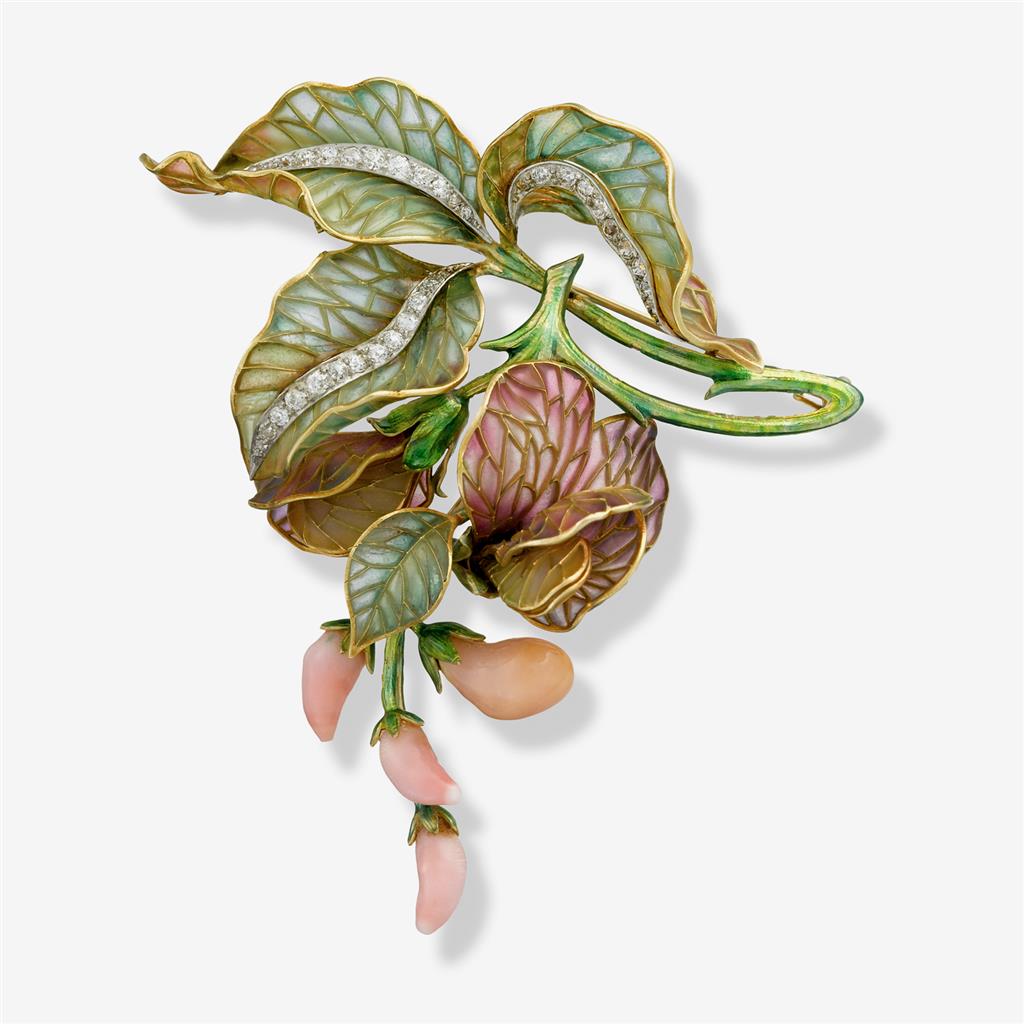
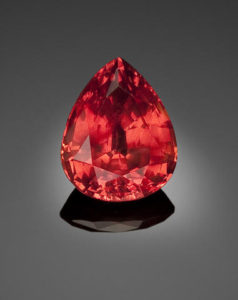
 The journey begins with precious metals and
  Diamond and gemstone cutters traditionally come from generations of family. Cutting skills are passed from generation to generation and taken very seriously. The cutting procedure is precise and takes hours for just one gemstone to become fully polished. Tools and equipment have evolved over time, making the process more exact. For that reason, as with all technological advances in tooling, a greater cost is shouldered to stay up-to-date.
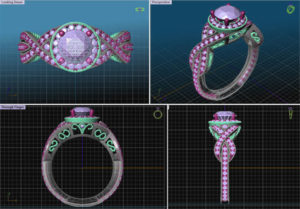 Jewelry designers bring these materials together in the wearable pieces of art that we call jewelry. While traditional wax carving of prototypes are still sometimes used, today the majority of jewelry is designed with CAD – computer aided design. These computer programs cost thousands, and the designers who use them also spend thousands of dollars in training. Designing one piece of jewelry can take hours or even days. The designer makes a prototype before a piece of jewelry is produced in multiples and then completes detailed modifications. Finally, a model is made for casting once the design is approved.
 Casting a piece of jewelry requires sophisticated equipment. Some design studios have their own casting equipment onsite. But the majority of casting jewelry is done in large operations, similar to auto manufacturing, where focusing on one step is most efficient.
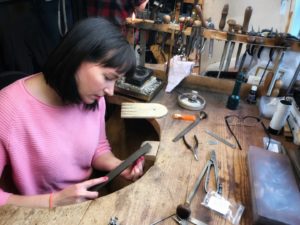
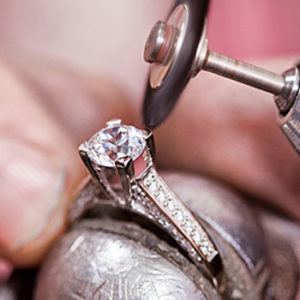 Diamond and gemstone setting requires a skilled goldsmith. In large manufacturing settings, much like auto manufacturing, diamond and gemstone setters do only setting. In small shops and studios, goldsmiths handle all steps of casting, finishing, and stone setting. Indeed, the risk is relatively high for damage during the setting process. Although not often, a diamond or gemstone can chip or break during the setting procedure.
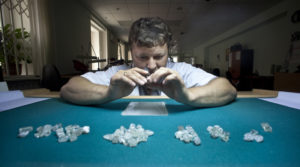 Wholesale distribution involves many people and sometimes two to three levels of wholesale. Decades ago, wholesalers carried hundreds of pieces of jewelry in large rolling bags, traveling hundreds of miles going door to door selling to retailers. Robbery was a real threat, and today very few wholesalers take this risk. Instead, several times during the year wholesalers show their collections at jewelry and gem shows. The risk of traveling with their goods is still there and security for these vendor shows is very tight.
 The final destination before your jewelry is yours is the retailer. The jewelry retailer invests in an inventory offering a range of styles and prices. Other costs for the retail jeweler include security systems, vaults, gemological equipment, payroll, insurance, and light bills. The sales staff require training to help them understand and relay important information to the shopper.



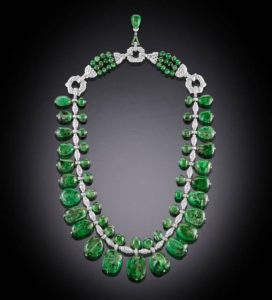
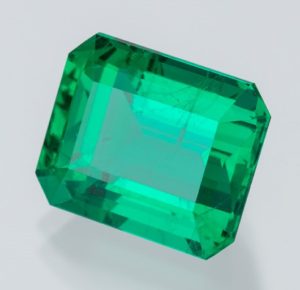 Emeralds are routinely “oiled” to reduce the visibility of natural fractures within the stone. Oiling, and more recently Opticon (an epoxy resin), impregnation is an acceptable trade practice and has been for well more than a century. Occasionally, dye is added to the oil to enhance color. This is not considered acceptable in the trade.