Kahle Appraisals

  • Home
  • About
    • Tracey Kahle
    • Credentials
    • Community Involvement
  • Beyond Worth
  • Services
    • Preferred Service Provider
    • Partner Appraisers
  • FAQ
  • News
  • Contact

Synthetic Diamonds Are Here to Stay

Home/Archives forBlog

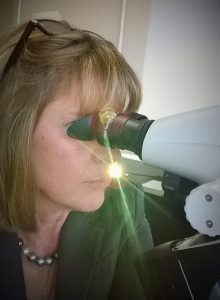
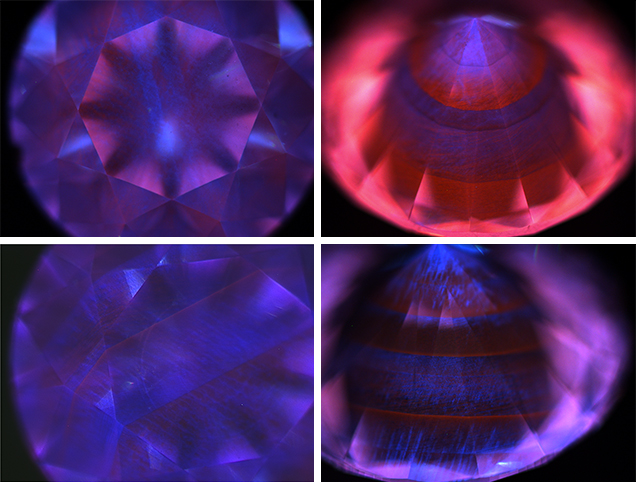
synthetic diamondAlthough it seems that synthetic (man-made) diamonds are new on the scene, they have been around for decades. In fact, three scientists in early 20th century claimed to have manufactured diamonds. General Electric was the first to synthesize diamonds with proven success in the early 1950’s. Since then, synthetic diamonds have been used for industrial purposes (think, diamond coated saw blades and drill bits). More recently, a division of DeBeers, Element Six manufactures synthetic diamonds for numerous applications in industries ranging from Aerospace to Healthcare, asserting, “Synthetic diamond’s molecular structure makes it the world’s most versatile supermaterial.”

In the world of jewelry, diamond simulants, such as cubic zirconia and moissanite, have been popular choices for those who want the look of diamond. However, simulants can be scratched and chipped much easier than diamond. Diamond is simply superior in every way. Because synthetic diamonds are the same physically and chemically as natural, earth-mined diamonds, they, too, are superior to all other simulants. This is great news for those who want the look of natural diamond along with unrivaled wearability.

The challenge for lab-grown diamond producers has been the ability to grow a colorless, gem quality diamond of a popular size at a reasonable price. As with any newly developing technology, advances in both quality and size as well as managing the cost of producing these diamonds so that they are available to the consumer at competitive prices has been a long journey. That journey is now starting to pay off as synthetic diamond producers are able to make 1-carat plus size diamonds available in relatively steady supply.

Consumers’ feedback shows that the appeal to purchasing a synthetic diamond is that they avoid the possibility of buying a conflict diamond. And price is attractive as well. Industry insiders report some worry from diamond wholesalers and retailers that synthetic diamonds will be the end of the natural diamond market. But, as history has shown, synthetic rubies, sapphires and emeralds have been on the market for about a century, yet the naturals rival their lab-grown counterparts today.

Would you consider purchasing a synthetic diamond?

Filed Under: Blog

Harold tivol jewelryA little more than a week ago, I heard the news that my mentor, Harold Tivol, had passed away. He was 92. If you’re from Kansas City, you likely recall Harold in his TV commercials. My favorite one is where it appears that you’re looking over the surface of the moon until the camera pans out and it turns out to be Harold’s bald head. Probably his most popular commercial is this one – https://www.youtube.com/watch?v=a4ckFrrefFo – celebrating Tivol’s 100th anniversary.
With Harold, what you see is what you get. As funny as he was in his commercials, he was just as fun-loving at the store every day he was there. And he was in the store every day well into his late 80’s. He LOVED being in the jewelry business. He loved it not for the money. That was a nice by-product, but his love was for the gemstones that were mined and fashioned into brilliant colors of the rainbow, and of the craftsmanship that defines the art of jewelry.

Beyond all of that, though, was Harold’s love of sharing his passion and his instinctive need to tell the truth, the whole truth. Telling the truth required always seeking the truth. Harold was a perpetual learner and caring teacher.

My career began at Tivol in 1988 directly after graduating from the Gemological Institute of America. That year, Harold received the Modern Jeweler Lifetime Achievement Award. His smiling face was on the cover of one of the most recognized industry magazines. I wouldn’t discover how lucky I was to work under Harold until years later when I came full circle and rejoined Tivol in 2006 as the Senior Gemologist and Appraiser.

I recall my final interview with Harold before I was hired. He asked me to appraise his Cat’s-eye Chrysoberyl ring on the spot. It was his prized piece of jewelry. He wore it every day. It’s a heavy platinum ring with diamonds flanking the exquisite and rare center Cat’s-eye. I told him that I don’t shoot from the hip. A thorough analysis of his Cat’s-eye and diamonds and research of the markets for value would take time. He grinned his signature grin and said, “I like your answer!”.

During my second term of service at Tivol, Harold would come into my office to talk business and to see what jewelry I was appraising that day. During our conversations, we sometimes had varying opinions and we would debate. He shared with me his wisdom and experience. I shared with him new trends that were happening that affected us and our clients. Harold kept me on my toes, and I thrived on his challenge to always do my best. It really hit me during these later years how much influence Harold had on me during those first years in my career. He didn’t even have to try. It was contagious, his drive to hold a high standard of ethics, to give information to empower others, to serve in the industry.

Now that I own my own business, I think of Harold often. My business model is to serve others with a bit of humor mixed in and with the highest level of honesty, integrity, and professionalism. As I carry on, Harold will always be a part of who I am at the Appraiser’s desk. He will always be a part of me, period.

Filed Under: Blog

Tips for Selling Diamond JewelryIt turns out there are countless reasons why individuals decide to sell their jewelry. Jewelry is one of those belongings that holds great sentimental value, so the selling process hits close to the heart for many. Whatever the reason might be to make the decision to sell, it’s important to consider these factors before taking the first step:

1. Be Realistic

The emotional value placed on your jewelry often has little to do with the current fair market price. Having unrealistic expectations is a sure path to disappointment. Several factors go into determining the current value of a piece of jewelry. Condition, style, diamond and gemstone qualities and sizes all factor in, along with market trends.

2. Weigh Your Selling Options

Channels for selling vary widely. Choosing the right one can net you more in the end. Internet marketplaces have become a popular way of selling. There are even Web sites that specialize in selling old engagement and wedding rings. Estate jewelry dealers buy and sell or consign nearly new to antique pieces. Gold buyers focus on gold, silver, or platinum but won’t be your best bet for diamonds and gemstones. Auction houses, both local and national, typically handle higher value items.

3. Be Informed

Consult a professional jewelry appraiser – preferably one that doesn’t buy or sell – and ask for a “Fair Market Value Appraisal.” Your appraiser can give you an unbiased option of all style and quality characteristics of the gems and metals; and can help you understand the potential resale value of your jewelry. Your appraisal is an excellent tool to have in hand when handling the selling process.

Filed Under: Blog

Certified AppraiserNot many people are aware that, unlike real estate appraisers, personal property (including jewelry) appraisers aren’t required any licensing. In other words, anyone (and I mean ANYONE) can set up shop and call themselves a jewelry appraiser. There are “diamontologists” and “gemologists” and “jewelry judges” and “accredited jewelry professionals”.

So, what is a “Certified Appraiser” and why should you care?

If you needed brain surgery, wouldn’t you rather have a Board Certified brain surgeon than a general surgeon in the operating room?Having worked in the jewelry industry for 27 years, now serving as an appraiser, I’ve been asked “How did you become a jewelry appraiser”? My path started with a series of conversations with a friend of mine who owns a jewelry store that led me to enroll in the Graduate Gemologist (“GG”) program at the Gemological Institute of America.

After graduating, I was fortunate enough to apprentice with Tom and Harold Tivol of Tivol Jewelers, the guild store in Kansas City. I had high aspirations from the beginning. With my GIA diploma tucked under my arm, I was certain that appraising was my career goal. As it turns out, [Read more…]

Filed Under: Blog

DashboardThe other day as I was driving down the road, the little wrench lit up on my dashboard, indicating that it’s time for an oil change and a few other maintenance checks. On the odometer, a series of numbers show specifically what needs to be addressed. I can look up the numbers or code in the owner’s manual to see just what needs to be done. I love new technology! If only there were a simple code to let us know when our jewelry appraisal is in need of updating to reflect the current markets.

Most homeowner’s insurance policies renew in the summer months because that’s when the majority of us feel compelled to make the move and purchase a home. So today I’m throwing up the “wrench” to signal that it may be time for you to check your last jewelry appraisal. Has it been more than three years since your appraisal was issued? If so, I recommend a checkup.

Some, but not all, homeowner’s policies have inflationary protection. A percentage, such as 5%, is added to the coverage each year to help protect you as your appraisal ages and the possibility of cost to replace it if you suffer a loss increases. This can be helpful, but it’s not the most accurate way of keeping current with the diamond, gemstone and precious metals markets. And forget not the cost labor of design and manufacturing. Even if you have inflationary protection you could be underinsured, or even over insured, paying more in premiums than necessary.

The numbers or code on my dashboard showing what maintenance needs to be done reminds me of how the markets change in jewelry. Not all markets move at the same pace. Individual components need to be addressed in their own right. Diamond and gemstone markets are influenced by sourcing (mining) issues, the labor to cut, and current consumer demand. Precious metals, on the other hand, are affected not only by sourcing and the demand for jewelry, but the demand related to investments. More so than ever before, the metals markets are heavily influenced by stock market activity.

Is it time for your 100K mile checkup? If yes, seek out a professional appraiser who is in touch with the current markets. Knowing that your jewelry is properly appraised and current market values are accurately reported will give you the peace of mind that if you do suffer a loss, you are fully protected.

Filed Under: Blog Tagged With: appraisal, diamonds, gold, jewelry

« Previous Page
Next Page »

Kahle Appraisals

13451 Briar Drive, Suite 200
Leawood, KS 66209
Phone: (913) 912-9122
Email: tracey@kahleappraisals.com

Kahle Appraisals - Facebook Kahle Appraisals - LinkedIn Kahle Appraisals - Alignable

Directions

© 2026 | Kahle Appraisals | All Rights Reserved | XML Sitemap | Site by Rivas Web Services